
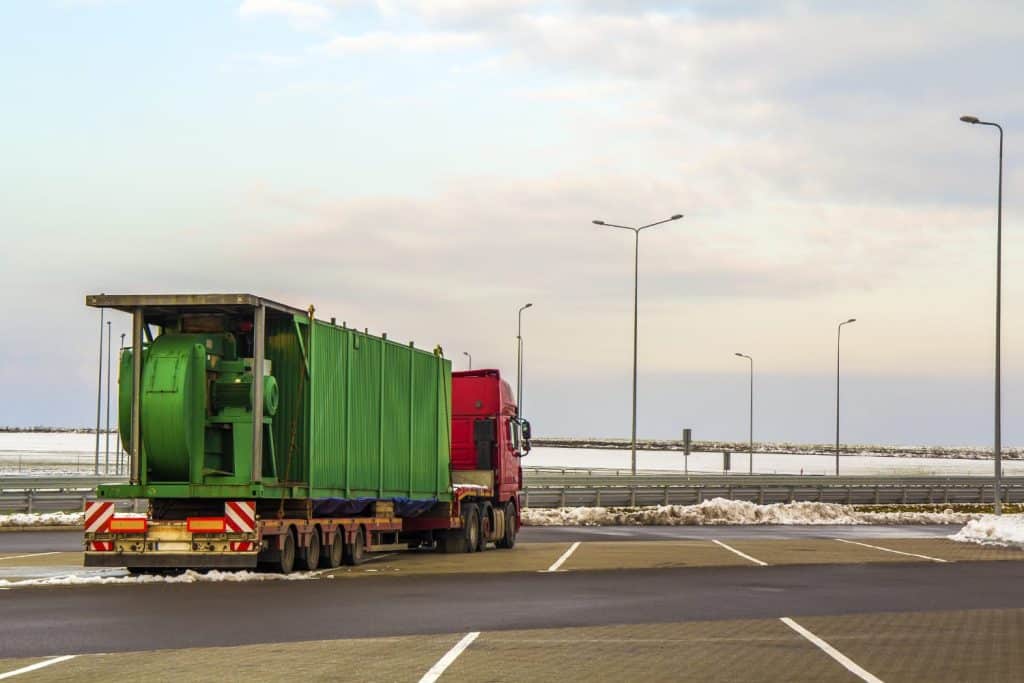
Heavy trucks play an important role in the waste and recycling industry. They transport household waste, construction materials, green waste and recyclable products between collection points, transfer stations and processing facilities. When one of these vehicles breaks down, operations can slow quickly. Heavy truck towing allows disabled vehicles to be moved safely so repairs or maintenance can take place without leaving them stranded on the road or at a work site.
Why Heavy Truck Towing Is Important for Waste Operations
Waste collection vehicles often follow strict schedules to keep communities clean and reduce the build-up of rubbish. A mechanical failure can interrupt collection routes, delay deliveries to recycling facilities or prevent waste from reaching disposal sites on time.
Heavy truck towing allows these vehicles to be transported to a workshop or maintenance depot where the underlying fault can be identified. Moving the truck safely also reduces the chance of creating traffic hazards or obstructing access to waste management facilities.
Common Reasons Waste Trucks Require Towing
Heavy vehicles used in waste management work in demanding environments every day. Frequent stops, heavy loads and exposure to uneven ground all place extra strain on mechanical components.
- Engine failure
- Hydraulic system faults
- Transmission problems
- Brake issues
- Collision damage
- Steering or suspension faults
Each of these situations may leave the vehicle unsafe to drive, making professional towing the safest option.
Challenges of Recovering Waste Collection Vehicles
Waste trucks are different from many other commercial vehicles because they often carry specialised equipment such as compactors, hydraulic lifting systems or large collection bodies. Their weight can also vary depending on whether the load has been emptied before recovery.
Recovery teams must consider the vehicle’s condition, load distribution and surrounding environment before moving the truck. Careful planning helps reduce unnecessary stress on the vehicle while allowing recovery to take place safely.
Environmental Considerations During Recovery
Recovering a heavy truck from a waste site or roadside involves more than simply transporting the vehicle. If a truck is carrying waste, recyclables or construction materials, steps may be needed to reduce the risk of spills during recovery.
Keeping waste contained helps prevent pollution, protects nearby waterways and reduces the amount of clean-up required after the vehicle has been removed. Safe recovery practices also help limit disruption to nearby businesses and the wider community.
| Recovery Situation | Main Consideration | Typical Outcome |
|---|---|---|
| Mechanical breakdown | Safe transport to a workshop | Vehicle inspection |
| Accident recovery | Containing waste and debris | Damage assessment |
| Hydraulic failure | Preventing leaks during transport | System repairs |
The Link Between Towing and Sustainable Waste Management
Efficient recovery of heavy vehicles supports the wider waste management process. Removing broken-down trucks quickly helps collection schedules return to normal while allowing recyclable materials and waste to continue moving through the correct processing streams.
Regular maintenance also works alongside towing services. When faults are identified early after a recovery, repairs can reduce the likelihood of repeat breakdowns and help keep vehicles operating for longer.
What Happens After the Truck Arrives at the Workshop?
Once the truck reaches a repair facility, technicians inspect the vehicle to determine why the breakdown occurred. Mechanical systems, hydraulic components, brakes and electrical equipment are checked before repairs begin.
For waste collection vehicles, technicians may also inspect compaction equipment and lifting mechanisms to confirm they remain safe to operate after repairs have been completed. This process helps ensure the truck is suitable for returning to daily collection work.
Reducing Downtime for Waste Fleets
Every hour a waste collection vehicle remains off the road can affect collection schedules and operational planning. Having a clear recovery process allows vehicles to be removed from their location quickly so repairs can begin sooner.
Fleet managers often use maintenance records and inspection reports to identify recurring faults. Understanding these patterns can help reduce unexpected breakdowns and improve the reliability of vehicles used throughout the waste and recycling sector.
Final Thoughts
Heavy truck towing from WestAus Heavy Tow is an essential part of keeping waste collection and recycling operations moving when unexpected breakdowns occur. From roadside recoveries to transporting vehicles for mechanical repairs, towing helps protect drivers, supports public safety and allows waste services to continue with minimal disruption.
Understanding the recovery process, the challenges involved and the environmental considerations surrounding heavy vehicle breakdowns provides a clearer picture of how towing fits within the wider waste management industry. Combined with regular maintenance, safe recovery practices help support reliable waste collection and responsible handling of materials.